
Living in Ipswich, MA: What to Know Before You Make the Move
Living in Ipswich, MA: What to Know Before You Make the Move
A first-hand look at the town's history, its beaches, its commute to Boston, and what buyers ask me most about Ipswich real estate.
Every year I work with a handful of buyers who ask some version of the same question: "What's it actually like to live in Ipswich?" Usually they've seen a listing photo of a saltbox colonial on High Street, or they've spent an afternoon at Crane Beach and started daydreaming. Both are good reasons to look closer.
I've represented buyers and sellers in Ipswich for years as part of my North Shore practice, and it's one of the towns I get the most genuine excitement about — not because I'm trying to sell you on it, but because it's a place with a real identity. It isn't trying to be Boston's suburb. It's its own town, with its own rhythm, and that's exactly what draws people to it.
Here's an honest rundown of what living in Ipswich is like, based on what I hear from clients and what I've seen over years of working in this market.
A Town That Wears Its History Well
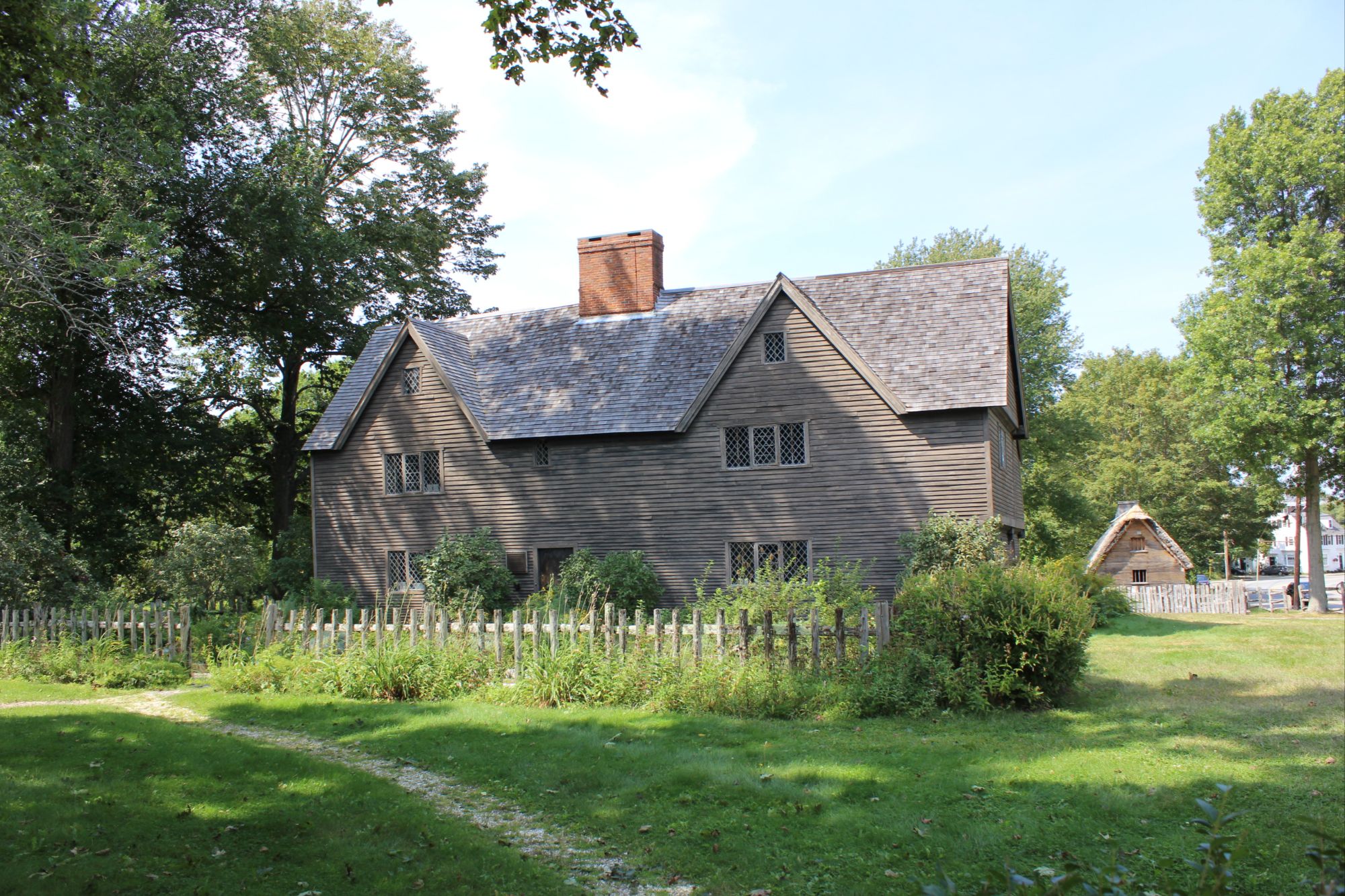 Ipswich was founded in 1634 on land the Agawam people had lived on and called by that name, and it's held onto more of its early architecture than almost anywhere else in the country. Historic Ipswich puts the number of surviving "First Period" houses — homes built between roughly 1625 and 1725 — at 59, more than any other town in the United States. A good number of them still stand along High Street and in the surrounding streets near downtown.
What that means in practice: if you buy an antique home here, you're not buying a novelty. You're buying into a genuine preservation culture. Neighbors care about this stuff. The Ipswich Historical Commission is active, and there's a real community of homeowners who've done the work — sensitively updating kitchens and systems while keeping post-and-beam framing, wide-plank floors, and original chimneys intact.
That said, antique homes come with antique-home realities: older wiring, older heating systems, and financing or insurance conversations that a newer build won't require. If you're seriously considering a historic property, it's worth a candid conversation early — before you fall in love with a house — about what a lender or inspector will want to see.
Crane Beach and the Outdoor Life
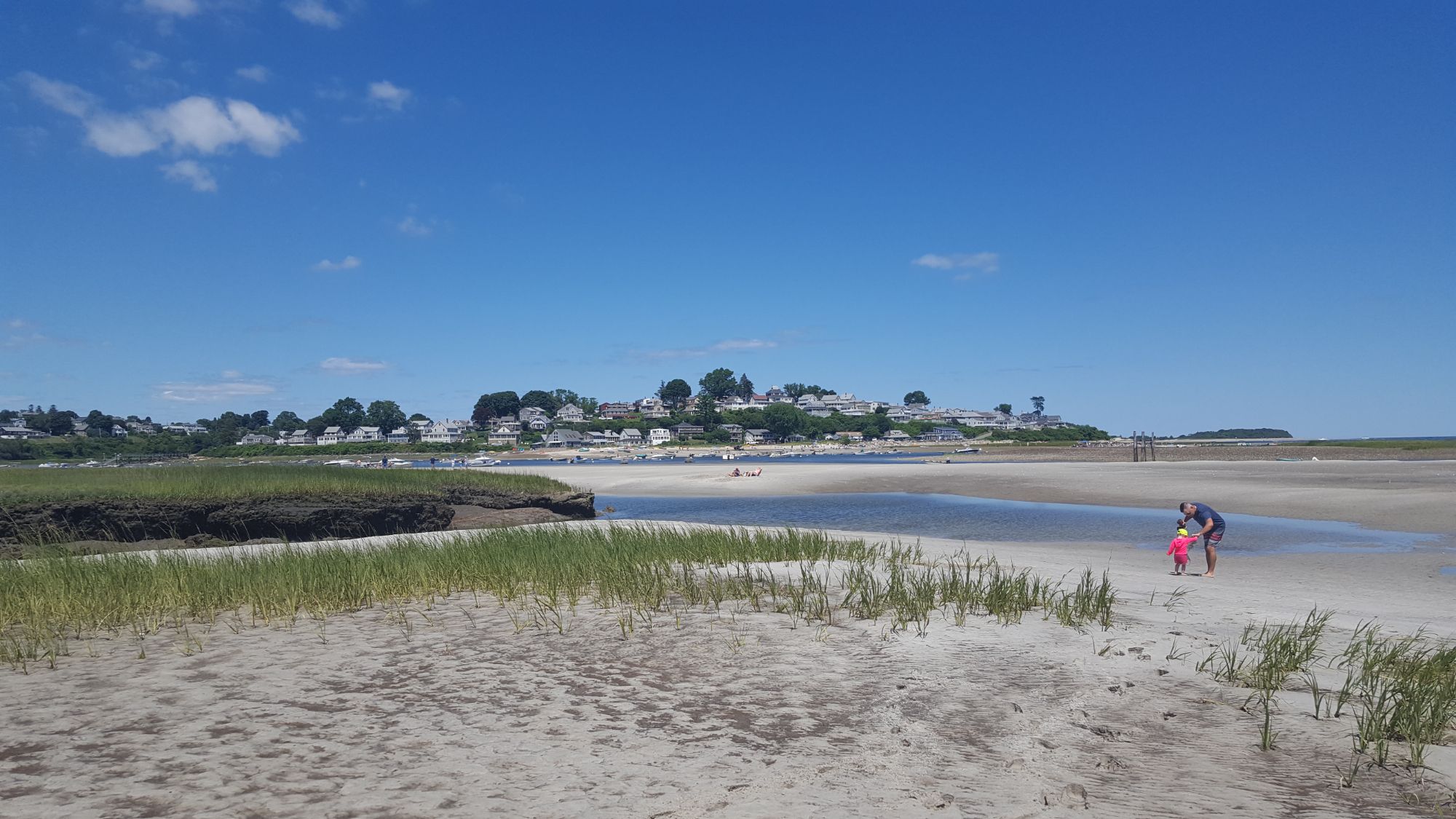
Crane Beach is the reason a lot of people first hear of Ipswich, and it earns the reputation. It's a 1,234-acre property with roughly four miles of shoreline, dunes, and maritime pitch pine forest, managed by The Trustees of Reservations. Residents get discounted and, with a resident sticker, free parking access — a real perk if beach days are part of your vision for life here.
But Ipswich's outdoor identity goes well beyond the beach. Appleton Farms, one of the oldest continuously operated farms in the country, has trails, a working dairy, and a farm store. Wolf Hollow gives you a close-up look at resident gray wolves. The Ipswich River offers kayaking through Foote Brothers and other outfitters, and Hamlin Reservation has quiet wooded trails minutes from downtown. If your ideal weekend involves being outside more often than not, this town delivers.
Getting to Boston: The Commuter Rail Question
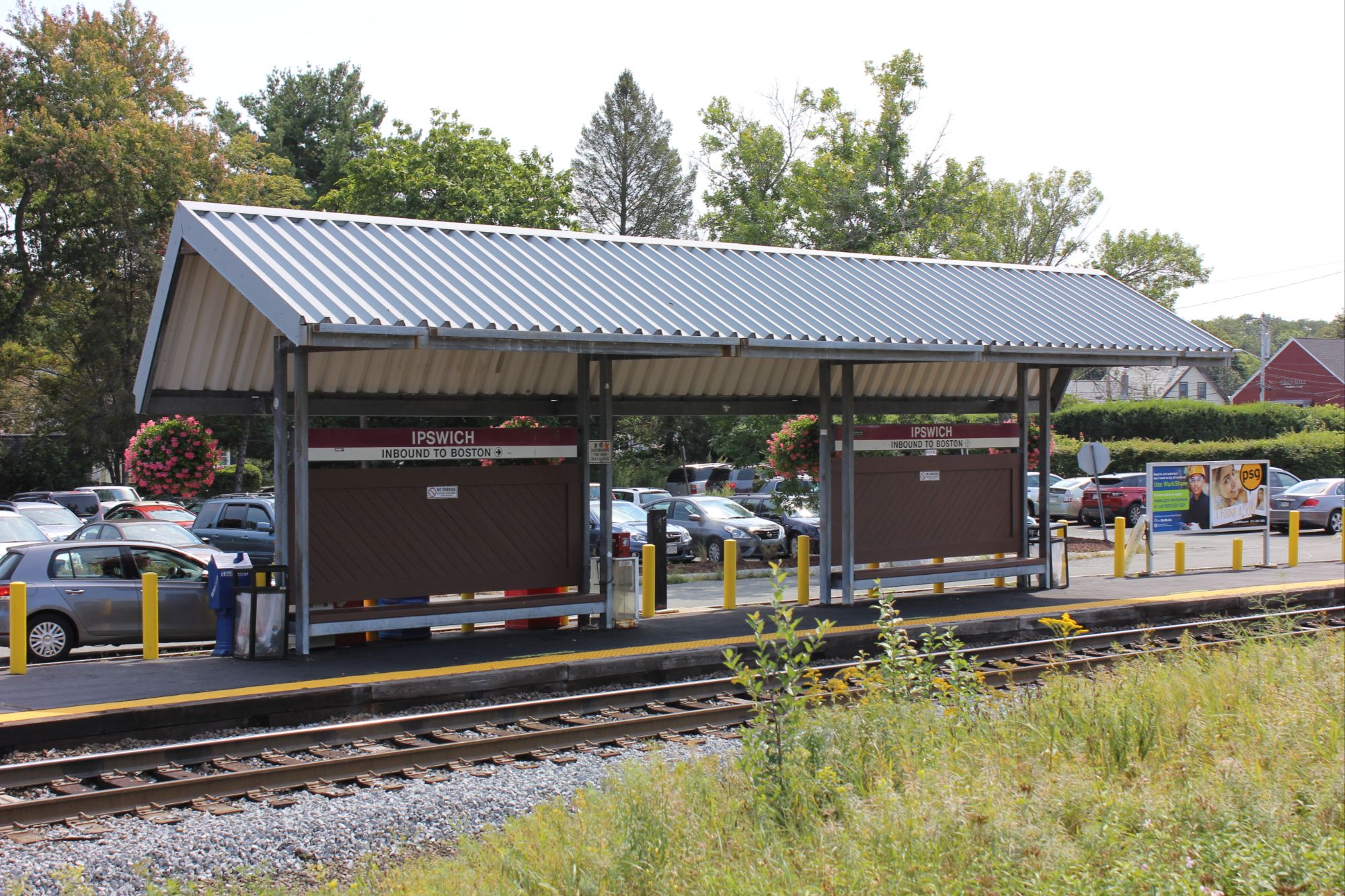 This is one of the most common questions I get from buyers relocating from out of state, especially from California and the Midwest: can I actually get to Boston without a car?
Yes. Ipswich has its own stop on the MBTA Commuter Rail's Newburyport/Rockport Line, right in downtown, with a direct ride into Boston's North Station. It's roughly 29 miles from Boston by car via Route 1, I-95, and I-93, so driving is an option too, but the train is what makes Ipswich realistic for a lot of commuters who work downtown but don't want city living.
Worth Confirming Before You Commit
Commuter rail schedules, trip times, and parking availability at the Ipswich station can shift, and I'd rather you have current numbers than ones from an old blog post. If commute logistics are a deciding factor for your move, ask me and I'll pull the current MBTA schedule with you, or we can time a test run together before you make an offer.
Downtown, Dining, and the Ipswich Clam
Ipswich's downtown has a genuine small-town feel — locally owned shops, a handful of galleries, and a food scene that leans hard into the town's seafood identity. Ipswich clams are locally famous, and you'll find them at longstanding spots like the Clam Box and newer places putting their own spin on the classics. It's not a downtown built for tourists; it's a downtown that happens to be worth visiting.
Schools and Family Life
Ipswich has its own public school system, including Paul F. Doyon Memorial School, Winthrop School, Ipswich Middle School, and Ipswich High School. I'd encourage any family considering a move here to do your own research on current enrollment, programs, and district boundaries directly with the district or with MassGov's school data resources — school details and boundaries can change, and you deserve current, first-hand information rather than a secondhand summary from me.
A Note on How I Talk About Neighborhoods
You'll notice I stick to property features, commute access, and lifestyle amenities when I describe a town or neighborhood — never anything about who lives where or who "belongs." That's not just good practice, it's the law under the Fair Housing Act, and it's also just how I think people deserve to be treated when they're making one of the biggest decisions of their life.
What This Means for Buyers and Sellers
If you're a buyer drawn to Ipswich, come with a clear sense of priorities: are you set on an antique home downtown, or would a newer build further from the center suit you just as well? Are you commuting daily, occasionally, or not at all? Those answers shape which pockets of town make sense for your search.
If you're a seller in Ipswich, your home's story matters here more than almost anywhere else on the North Shore. Buyers researching this town already know what they're looking for — history, character, proximity to the water or the trails. A listing that leans into what makes your specific property and street special will do better than one that reads like it could be anywhere.
Either way, current market conditions in Ipswich — inventory levels, days on market, price trends — shift throughout the year, and I'd rather walk you through real, current numbers in a conversation than print a stat here that could be stale by the time you read it.
Frequently Asked Questions About Living in Ipswich, MA
Is Ipswich, MA a good place to live?
For people drawn to history, the outdoors, and a genuine small-town identity, yes. Ipswich offers historic architecture, Crane Beach, Appleton Farms, and a walkable downtown, along with direct MBTA Commuter Rail access to Boston. It suits people who want a real town rather than a bedroom community.
How far is Ipswich, MA from Boston?
Ipswich is roughly 29 miles from Boston by car via Route 1, I-95, and I-93. The MBTA Commuter Rail's Newburyport/Rockport Line also runs directly from downtown Ipswich to Boston's North Station.
Why does Ipswich have so many historic homes?
Ipswich has 59 documented "First Period" homes built between about 1625 and 1725 — more than any other town in the United States, according to Historic Ipswich. Many survived because the town avoided the kind of rapid redevelopment that reshaped other early colonial settlements, and today an active local preservation community and historic commission help keep them intact.
Can Ipswich residents access Crane Beach for free?
Ipswich residents can purchase a resident beach parking sticker for access to Crane Beach; non-residents pay a per-car entry fee that varies by season. Specifics on pricing and sticker requirements are best confirmed directly with The Trustees of Reservations, since policies can change year to year.
What should I know before buying an antique or historic home in Ipswich?
Older homes often come with older electrical, plumbing, and heating systems, which can affect financing, insurance, and inspection timelines. It's worth having a conversation about these realities early in your search, and working with an inspector experienced in First Period and colonial-era construction specifically.
What towns are near Ipswich on the North Shore?
Ipswich sits near Essex, Hamilton, Wenham, and Rowley, with Gloucester and the rest of Cape Ann a short drive northeast and Beverly, Salem, and Danvers to the south. All are part of the North Shore communities I work in regularly.

Jim has worked the North Shore real estate market for 25+ years, serving Beverly, Salem, Danvers, Ipswich, and surrounding Essex County communities. His grandmother, Lillienne I. Field, founded Field Real Estate in Salem in 1944 — the same values of knowledge, trust, and integrity guide the Armstrong Field Group today.
Curious What Your Ipswich Move Could Look Like?
Whether you're buying your first home, searching for a historic property, or trying to figure out where to start, I'm happy to talk it through — no pressure, no obligation.
Categories
- All Blogs (202)
- Beverly, MA (14)
- Buying a Home (98)
- Condos For Sale (7)
- Danvers, MA (2)
- Estates & Inherited Homes (3)
- Gloucester, MA (1)
- Home Ownership (49)
- Home Sellers Guide (20)
- Homes For Sale (10)
- Ipswich, MA (2)
- Jim Armstrong (1)
- Landlords (1)
- Living on the North SHore (31)
- Mortgages (16)
- Peabody, MA (2)
- Prospective Real Estate Agents (1)
- Real Estate Careers (7)
- Real Estate Market Conditions (44)
- Real Estate School (2)
- Renting (1)
- Salem, MA (15)
- Selling a home (104)
- Senior Living (2)
- Swampscott, MA (1)
Recent Posts