
Moving to Beverly, Massachusetts: The Complete Guide for New Residents
Moving to Beverly, Massachusetts: The Complete Guide for New Residents
Why Consider Moving to Beverly, Massachusetts?
Thinking about moving to Beverly, Massachusetts? You’re not alone. This charming coastal city on the North Shore has quietly become one of the most desirable places to live in Essex County. It’s the kind of place where you can walk to the beach in the morning, grab coffee downtown in the afternoon, and still make it to a meeting in Boston before noon. Sounds like a dream, right?
Beverly offers a rare blend of coastal beauty, suburban comfort, and urban convenience. Unlike some towns that feel either too sleepy or too chaotic, Beverly hits a sweet spot. You get ocean views, historic homes, tree-lined streets, and a lively arts scene—all wrapped into a tight-knit community that actually feels welcoming.
Families are drawn to the strong school system. Young professionals appreciate the commuter rail access. Retirees love the peaceful neighborhoods and scenic coastline. And let’s not forget the food scene—it’s surprisingly impressive for a city of its size.
But moving anywhere is a big decision. What’s the cost of living? How’s the housing market? Is it family-friendly? What’s winter really like? In this in-depth guide, we’ll walk through everything you need to know before packing your boxes and heading to Beverly.
Let’s dive in.
Where Is Beverly? Understanding Its Location and Geography
Beverly sits on Massachusetts’ North Shore, about 20 miles northeast of Boston. It borders Salem, Manchester-by-the-Sea, Wenham, and Danvers. If you imagine the Massachusetts coastline like a jagged ribbon, Beverly is one of the scenic folds that opens to the Atlantic Ocean.
Coastal Charm on the North Shore
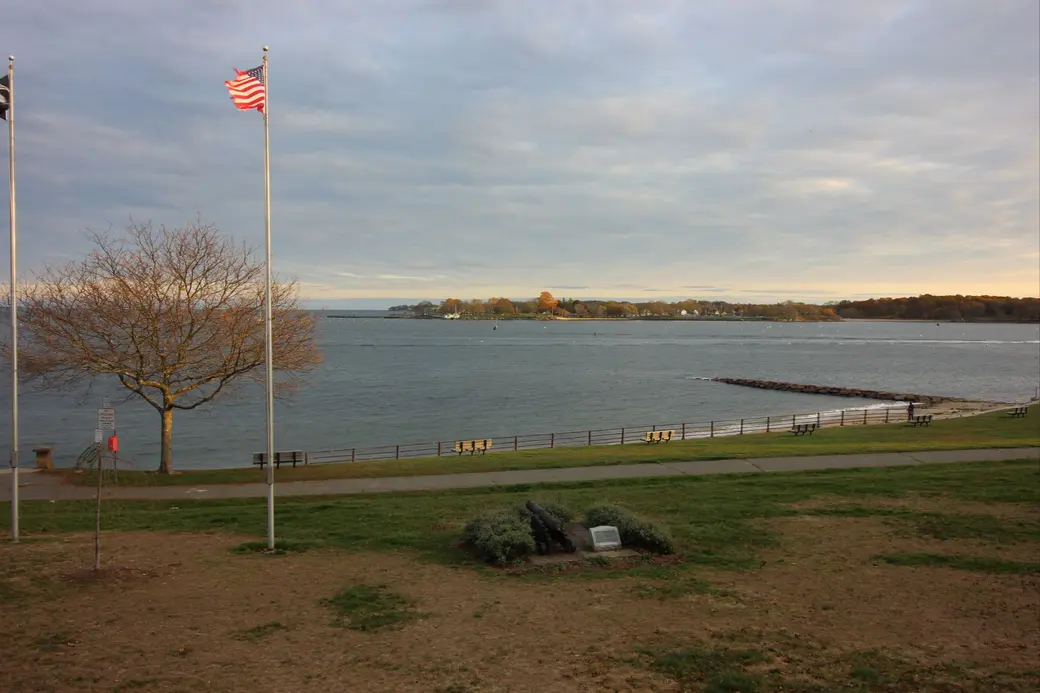
One of Beverly’s biggest selling points? The coastline. The city boasts multiple beaches, including Dane Street Beach and Lynch Park, each offering sweeping ocean views and salty sea breezes that make summer feel magical. Living here means spontaneous beach walks after dinner and sunrise jogs along the shore.
The geography isn’t flat and boring either. Rolling hills, wooded areas, and rocky coastlines give the town character. Fall foliage? Absolutely stunning. Picture fiery reds and golden yellows against a blue ocean backdrop.
Proximity to Boston and Major Highways
If you work in Boston, Beverly is incredibly commuter-friendly. The MBTA Commuter Rail’s Newburyport and Rockport Lines run through town, making it easy to reach North Station in under an hour. Prefer driving? Route 128 and Route 1 are easily accessible.
This balance—coastal living with city access—is what makes Beverly stand out. You get breathing room without feeling isolated.
A Brief History of Beverly
Beverly’s roots stretch back to the 1600s. Originally part of Salem, it officially became its own town in 1668. Yes, that Salem—the one known for the witch trials. In fact, some of the accused were from Beverly.
Colonial Roots
Early Beverly was a fishing and farming community. The Atlantic Ocean played a crucial role in its development, shaping both its economy and its culture. Shipbuilding and maritime trade helped the town grow steadily through the colonial era.
Maritime and Industrial Growth
By the 19th century, Beverly evolved into a manufacturing hub. Shoe factories and textile mills popped up, fueling economic growth. Over time, it transitioned from industry to a more residential and commercial identity.
Today, history still whispers through its streets. Colonial homes, historic districts, and preserved architecture give Beverly character. Walking through downtown feels like stepping into a storybook—only with better coffee shops.
Neighborhoods in Beverly: Finding Your Perfect Fit
Beverly isn’t a one-flavor kind of place, and that’s honestly what makes it so easy to picture yourself here. The city feels like a playlist with different moods: some tracks are beachy and quiet, some are energetic and walkable, and some are pure “family life with a side of waterfront.” When people say, “I live in Beverly,” what they mean can be wildly different depending on the neighborhood—and that’s good news for you, because it increases the odds you’ll find a spot that fits your lifestyle instead of forcing you to adapt to the town.
Let’s talk about how to choose. Start with your daily rhythm. Do you want to walk to coffee, the train, restaurants, and a show on Friday night without planning your life around parking? Downtown Beverly is the obvious answer, and it has that “small city” feeling where things are happening but it’s not overwhelming. If your dream is more “quiet mornings, ocean air, and streets that feel like a postcard,” Beverly Farms is the move. It’s coastal, polished, and calm—more of a slow-sip-of-tea neighborhood than a grab-and-go one.
If you want residential comfort but still want to be close to action, places like Ryal Side can be a practical middle ground. It’s the kind of area where you can find a home that feels lived-in (in a good way), with sidewalks, local spots, and access to water views in some parts. Montserrat, with the influence of Montserrat College of Art, tends to feel creative and a little more eclectic—like a neighborhood that doesn’t mind being a little different. That can show up in the vibe of the local businesses, the people you meet, and even the kind of community events that pop up.
One tip: don’t just visit once on a sunny Saturday and assume that’s the truth. Visit on a weekday morning and a weekday evening too. Listen for commuter traffic. See how busy the streets feel. Pop into a grocery store at 6 p.m. and gauge the pace. It sounds small, but that “everyday texture” is what your life will actually be made of.
Beverly Farms: Coastal, Quiet, and Classic
If Beverly were a movie, Beverly Farms would be the scene where the camera lingers on a breezy porch, sun bouncing off salty air, and someone casually saying, “We’re going down to the water.” It’s the most “coastal postcard” part of town, and it attracts people who want that calm, polished, North Shore coastal lifestyle—without feeling like they’re in a resort town.
The housing stock here leans historic and charming, often with older homes that come with character (and sometimes the maintenance to match). If you love architecture—big porches, classic New England lines, mature trees—this neighborhood scratches that itch. Streets can feel peaceful and tucked away, and you’ll notice the pace shift the moment you arrive. People are out walking dogs, pushing strollers, and taking their time. That’s the vibe: intentional, unhurried, settled.
Now, let’s be real: it’s typically one of the pricier areas in Beverly. Location, coastal proximity, and the general “this feels special” factor push prices up. But you’re paying for the environment as much as the property. It’s the kind of neighborhood where a simple evening walk feels like a mini vacation, especially in warmer months when the ocean air is doing its thing.
Practical considerations matter too. If you’re commuting, check your proximity to the Beverly Farms station (commuter rail access can be a big quality-of-life upgrade). If you have kids, think about the school commute and your after-school routine—because “pretty neighborhood” is great, but “logistics that don’t exhaust you” is even better.
Best fit for: people who prioritize quiet, coastal scenery, classic homes, and a slower day-to-day pace—especially if the budget can handle it.
Downtown Beverly: Walkable, Lively, and Surprisingly Foodie
Downtown Beverly is where you go when you want your life to have a little more movement. Not “big-city chaos” movement, but the kind where you can step outside and immediately feel like you’re part of something. Cabot Street is the spine of it all—lined with restaurants, cafes, small shops, and venues like The Cabot, which gives downtown a real cultural heartbeat. If you like the idea of walking to dinner, catching a show, then strolling home under streetlights, downtown makes that easy.
Living here is also a strong choice if you’re commuting to Boston. Being close to the Beverly Depot station can make your weekday schedule feel far less stressful. There’s a huge difference between “a commute that starts with a 12-minute drive to the train” and “a commute that starts with a short walk.” That extra simplicity adds up fast.
Housing downtown tends to skew toward apartments, condos, and multi-family buildings, though you’ll also find charming older homes just outside the core. The tradeoff with downtown is the same tradeoff with any walkable area: you get convenience and energy, but you might deal with more street noise, tighter parking, and higher demand. Some people love that—others feel like they’re always “on.” The good news is downtown Beverly isn’t huge, so you can often find a pocket that feels calmer while staying close to the action.
Another underrated bonus: downtown living makes it easier to build community. When you’re walking around regularly—same coffee shop, same market, same weekend spots—you start recognizing people. Beverly has a friendly streak, and downtown amplifies it because you actually see your neighbors.
Best fit for: young professionals, commuters, and anyone who wants a social, walkable lifestyle with restaurants, arts, and everyday errands within reach.
Ryal Side: Residential Comfort With Water Nearby
Ryal Side often appeals to people who want Beverly’s benefits but don’t necessarily need the “Downtown every night” lifestyle or the Beverly Farms price tag. It’s a more residential-feeling area where day-to-day life can feel grounded: school routines, dog walks, family dinners, and weekend errands without feeling like you’re constantly in the middle of everything.
One of the draws is that parts of Ryal Side offer access to waterfront views and the Danvers River area. Even if you’re not directly on the water, the presence of it changes the feel. There’s something about living near water that makes an ordinary Tuesday feel a bit lighter—like the town has room to breathe.
Housing here can be a mix, including single-family homes and multi-family options. For buyers, it can sometimes offer a more approachable entry point than the most premium coastal pockets, but it’s still in-demand. For renters, it can mean slightly more space and a more neighborhood-driven experience compared to downtown.
The biggest advantage might be balance. You can get a quiet street and still be a short drive (or sometimes a manageable bike ride) from downtown Beverly’s restaurants, commuter rail, and cultural events. It’s the kind of neighborhood where you can picture staying long-term, because it supports different stages of life. You can be a young couple here, then a family, then someone who just wants a comfortable home base.
Best fit for: people who want a calm residential neighborhood with access to Beverly’s amenities—and who like the idea of water nearby without centering their whole life around it.
Montserrat: Artsy, Eclectic, and Full of Personality
Montserrat has a creative pulse that shows up in subtle ways—local businesses, community energy, and the presence of Montserrat College of Art. It’s not a neighborhood that screams “art district,” but you’ll feel the influence in the atmosphere. If you like places that feel a little less cookie-cutter, a little more expressive, Montserrat can feel like a natural fit.
One of the best parts of living near a college (especially an arts college) is the cultural spillover. You get exhibitions, events, and a general sense that creativity is normal here—not a rare thing that only happens on weekends. That doesn’t mean it’s noisy or chaotic; it’s more like the neighborhood has an interesting edge to it. Like a room with good lighting and a conversation already happening.
The housing can vary, and you’ll want to walk the streets and get a feel for blocks you like. Montserrat can be a great option for people who want to be near downtown but not necessarily right in the thick of it.
Best fit for: creatives, students, faculty, and anyone who likes a neighborhood with character and cultural energy.
Cost of Living in Beverly: What It Really Feels Like Month to Month
Cost of living is one of those topics where people want a simple number, but real life doesn’t work like that. Two people can live in the same city and have completely different “Beverly is expensive” experiences depending on housing choice, commuting habits, childcare, and even how often they eat out. So instead of tossing out vague statements, let’s break down what costs tend to feel like in practice.
Housing: The Big One
Housing is usually the main cost driver. Beverly’s coastal location and commuter-friendly access to Boston keep demand strong. That means rents and purchase prices can feel high compared to inland towns, even if they’re still often more reasonable than central Boston. If you’re renting, the price range depends a lot on whether you want newer amenities (in-unit laundry, parking, central air) versus older charm (character, but maybe fewer modern perks). If you’re buying, you’ll notice the usual New England quirks: older homes can be gorgeous, but you may need to budget for updates like insulation, roof work, or heating system improvements.
Utilities and Heating
Utilities are another area where Beverly’s reality shows up. Winters in Massachusetts aren’t just cold—they can be windy and damp, which can make heating costs sting if your home is older or poorly insulated. If you’re touring places, ask about average heating bills in winter. It’s not awkward—it’s smart. Also, pay attention to windows, drafts, and whether the home has been weatherized. A charming older home with leaky windows can quietly drain your budget.
Transportation
Commuting costs depend on your setup. If you take the commuter rail regularly, you’ll want to factor in monthly passes and occasional ride-share or parking expenses. If you drive, you’ll deal with gas, insurance, and maintenance—plus the mental cost of traffic. Some people underestimate how much commuting “costs” in stress.
Lifestyle Spending
Beverly makes it easy to spend money because it’s fun. Restaurants, cafes, events, and day trips along the North Shore add up if you’re not watching it. The upside is you can also do a lot for free or cheap: parks, beaches, walks, library events, local festivals.
The best approach is to build a “Beverly budget” that matches how you actually live—not how you wish you lived. If you know you’re going to eat out twice a week, budget for it. If you’re a coffee-shop person, budget for it. That honesty makes moving feel smoother because you won’t be surprised.
Housing Prices and Rental Market
As of recent trends:
-
Median home prices often range between $650,000–$800,000
-
Two-bedroom apartments may rent between $2,200–$3,000 per month
Prices fluctuate, but demand remains strong. Coastal access drives value.
Utilities, Groceries, and Daily Expenses
Utilities are comparable to the state average. Groceries run slightly higher than the national average. Dining out? Expect North Shore pricing—moderate to slightly upscale.
Property Taxes and Insurance
Property taxes are consistent with Essex County averages. Coastal homes may have higher insurance due to proximity to water.
Bottom line: Beverly isn’t bargain-basement living. But you’re paying for location, safety, schools, and lifestyle.
Buying vs. Renting in Beverly: How to Decide Without Overthinking
The “buy or rent” debate can get emotional fast, especially in a competitive market. One person will tell you renting is “throwing money away,” another will swear buying is “a trap,” and suddenly you’re spiraling. Let’s make it practical.
When Renting Makes Sense
Renting can be the smartest option if you’re new to the area and want to learn the neighborhood personalities before committing. Beverly’s neighborhoods feel different, and living there is the quickest way to figure out what you truly value. Renting also helps if your job situation might change or if you’re moving from out of state and don’t want to rush into a purchase you’ll regret.
Renting can also be a lifestyle choice. If you’d rather spend your weekends at the beach instead of dealing with a surprise water heater replacement, renting gives you that freedom.
When Buying Makes Sense
Buying often makes sense if you’re planning to stay for several years and want stability—especially if you’re building a family routine and want consistent schooling, community ties, and housing predictability. Beverly’s long-term desirability can also support value retention, though no market is guaranteed. The bigger reason to buy is usually emotional and lifestyle-driven: having your own space, the ability to renovate, and the feeling of planting roots.
The “Hidden” Deciders
Two things often decide it more than people admit:
-
Your tolerance for uncertainty. Renting gives flexibility, buying gives control.
-
Your tolerance for maintenance. Buying means you’re the manager of a small, expensive machine called “a house.”
A good middle path if you’re unsure: rent for 6–12 months with a goal. Use that time to explore neighborhoods, track your spending, and watch the market. Then decide with evidence instead of anxiety.
Job Opportunities and the Local Economy: Can You Build a Career Here?
Before you fall in love with the beaches and brunch spots, there’s one practical question you have to answer: can you actually build a career while living in Beverly? The good news is yes—but how you do it depends on your industry and lifestyle goals.
Beverly itself has a steady local economy. Healthcare is a major employer, with Beverly Hospital serving as a central hub. Education is another strong pillar, thanks to public schools, Endicott College, and Montserrat College of Art. Small businesses, restaurants, retail shops, and service-based industries round out the local job market. If you’re in hospitality, education, healthcare, or small business operations, there are opportunities within city limits.
That said, a significant number of residents commute. Beverly’s biggest economic advantage is proximity to Boston. With access to the MBTA Commuter Rail, you can work in tech, finance, biotech, higher education, government, or corporate roles in Boston while enjoying coastal living at home. It’s like having two different worlds—fast-paced professional energy during the day and ocean air in the evening.
Remote work has also shifted the equation. Many professionals now work from home full-time or hybrid, and Beverly is ideal for that setup. You get more space than a city apartment, quieter surroundings, and easy access to cafes if you need a change of scenery.
One practical tip: test your commute before committing to it long-term. Take the train during peak hours. Drive into Boston on a weekday morning. Feel it out. A commute that looks manageable on paper can feel very different at 7:15 a.m. in February.
Bottom line? Beverly works best when you either (1) have a strong local role, (2) commute strategically, or (3) work remotely. Align your career plan with your lifestyle vision, and the move makes sense.
Schools and Education: What Families Should Know
If you’re moving with kids—or planning to—schools can make or break your decision. Beverly consistently draws families because of its public education system and overall community support for learning.
Beverly Public Schools offer a range of programs, extracurriculars, and athletics. Like any district, experiences can vary slightly by school, so it’s smart to research specific elementary zones and talk to parents if you can. What stands out in many cases is community involvement. Schools aren’t isolated institutions here; they’re part of the town’s rhythm. Sports games, performances, and fundraisers often feel like community events rather than just school obligations.
For families considering private education, there are options both within Beverly and in neighboring towns like Salem and Manchester-by-the-Sea. That flexibility gives parents more control if they’re looking for specialized programs or smaller class sizes.
Higher education also adds a layer of richness to the city. Endicott College, perched along the coast, brings a traditional campus feel and academic presence. Montserrat College of Art injects creative energy into the community. Even if you’re not directly connected to these institutions, their presence shapes the town’s cultural and intellectual environment.
One overlooked factor? After-school life. Beverly offers sports leagues, arts programs, waterfront activities, and community centers that make it easier for kids to stay active and social. That reduces the “drive everywhere all the time” fatigue some suburbs create.
If education is high on your priority list, Beverly makes a strong case. The key is doing your homework—tour schools, check district updates, and match your expectations with what each option offers.
Lifestyle and Community Vibe: What It Actually Feels Like to Live Here
You can read statistics all day, but what does Beverly actually feel like?
It feels balanced.
That’s the word that keeps coming up. It’s not overwhelmingly busy, but it’s not sleepy either. On a summer Saturday, you might see families heading to Lynch Park with coolers and beach chairs, couples grabbing brunch downtown, runners along the waterfront, and commuters still catching a train into Boston. There’s movement—but it’s not frantic.
Community events play a big role in shaping that feeling. Seasonal festivals, farmers markets, outdoor concerts, and local theater performances bring people together. These aren’t massive, impersonal events. They’re the kind where you start recognizing faces. You run into someone you met last week. You chat in line. Slowly, the place starts feeling familiar.
There’s also a strong sense of local pride. Beverly isn’t trying to be Boston. It’s not competing with Salem’s tourism buzz either. It’s comfortable being itself—a coastal city with history, culture, and everyday practicality.
The pace shifts with the seasons. Summer feels alive and open. Fall is stunning and reflective, with foliage that looks almost unreal. Winter slows things down. Spring feels hopeful and fresh. If you like living somewhere that changes throughout the year—visually and emotionally—Beverly delivers that rhythm.
The vibe ultimately depends on where you plug in. If you stay home and never explore, any town feels quiet. If you attend events, try restaurants, walk your neighborhood, and engage, Beverly opens up.
Things to Do in Beverly: Beyond the Basics
You’ll never confuse Beverly with a massive metropolis, but that’s part of its charm. The activities here lean toward quality over quantity—and they’re deeply connected to the environment.
Beaches and Outdoor Spaces
Dane Street Beach and Lynch Park are staples. In summer, they’re lively but not chaotic. Early mornings at the beach can feel almost meditative. In fall and winter, the coastline takes on a dramatic beauty. Wind, waves, and gray skies create a different kind of magic.
Parks, walking paths, and waterfront views make everyday exercise feel less like a chore and more like a privilege. Even a quick walk after dinner can feel refreshing when the air smells like salt.
Arts and Entertainment
The Cabot Theater is a cultural anchor. Live music, film screenings, comedy—having that venue downtown gives Beverly personality. Add in art galleries and college-hosted events, and you’ve got steady creative stimulation.
Dining Scene
Beverly’s restaurant scene surprises people. Seafood is obviously strong (this is the North Shore, after all), but you’ll also find diverse options—from cozy Italian spots to modern American kitchens and relaxed cafes. It’s not just about eating; it’s about atmosphere. Date nights feel special without requiring a trip into Boston.
The key to enjoying Beverly’s activity scene is participation. Explore. Wander. Try a place twice before judging it. Small cities reward curiosity.
Weather and Climate: The Four-Season Reality
Let’s not sugarcoat it—New England weather has personality. If you move to Beverly, you’re signing up for four distinct seasons.
Winter
Cold, sometimes snowy, occasionally windy. Coastal winds can make temperatures feel sharper. You’ll need a real winter coat, good boots, and probably a snow shovel (or a plowing service). The upside? Snow along the coastline can be breathtakingly beautiful.
Spring
Unpredictable but hopeful. One day it’s 45 degrees and gray, the next it’s 65 and sunny. Flowers start appearing, outdoor cafes slowly reopen, and the town feels like it’s stretching awake.
Summer
This is Beverly’s shining moment. Warm but often tempered by ocean breezes. Beach days, evening walks, outdoor events—it’s the season that reminds you why you chose coastal living.
Fall
Arguably the best season in Massachusetts. Crisp air, vibrant foliage, cozy vibes. It’s postcard-perfect.
If you crave constant sunshine and warmth, this isn’t Florida. But if you love change, atmosphere, and seasonal rhythm, Beverly’s climate adds texture to your life.
Transportation and Getting Around
Transportation in Beverly revolves around a mix of car use and commuter rail access. The MBTA’s Newburyport/Rockport Line is a lifeline for Boston commuters. Having multiple stations (including Beverly Depot and Beverly Farms) is a major plus.
Driving is straightforward, but traffic toward Boston during peak hours can be slow. Within Beverly, things are manageable. Downtown is walkable, and biking is feasible in many areas.
Parking varies by neighborhood. If you’re downtown, confirm parking arrangements before signing a lease. In more residential neighborhoods, parking tends to be easier.
For many residents, the combination of train + car is ideal. You get flexibility without being completely dependent on one mode of transport.
Healthcare and Essential Services
Beverly Hospital (part of the Lahey Group) provides local healthcare. Nearby Salem and Boston hospitals offer advanced medical services.
Pros and Cons of Living in Beverly
Pros:
-
Coastal beauty
-
Strong schools
-
Easy Boston commute
-
Safe neighborhoods
Cons:
-
High housing costs
-
Snowy winters
-
Competitive real estate market
Tips for a Smooth Move to Beverly
-
Visit during different seasons
-
Research neighborhoods carefully
-
Budget realistically
-
Secure housing early
Practical Moving Tips: The Stuff You’ll Be Glad You Did
Moving is less about boxes and more about reducing chaos. Beverly is an easy place to settle, but a few practical moves can save you stress.
-
Time your move strategically. Summer is popular (and competitive) because it’s beautiful and aligns with school schedules. If you can move in late fall or winter, you may find slightly less competition in rentals and movers.
-
Plan for parking. If you’re moving into or near downtown, confirm parking options before move day. Some streets get tight, and you don’t want your moving truck circling the block like a confused whale.
-
Prepare for weather. New England weather loves drama. Have tarps, plastic wrap, and a backup plan if rain or snow shows up on moving day.
-
Update your “local essentials” early. Find your nearest grocery store, pharmacy, urgent care, and post office in the first week. Nothing feels worse than needing cold medicine at 9 p.m. and realizing you don’t know where anything is.
-
Get involved fast. Beverly is friendly, but community doesn’t magically happen inside your living room. Go to a local event, join a group, chat with neighbors. Think of it like planting seeds—you want to start early.
Moving to Beverly, Massachusetts, isn’t just about changing your address—it’s about upgrading your lifestyle. It’s about morning ocean air, strong community ties, and the flexibility of city access without city chaos. Yes, it comes at a price. Yes, winters can test your patience. But for many, the trade-offs are worth it.
If you’re looking for a place that feels like a postcard but functions like a real community, Beverly might just be calling your name.
FAQs About Moving to Beverly, Massachusetts
1. Is Beverly a good place for families?
Yes, thanks to strong schools, safe neighborhoods, and community activities.
2. How long is the commute to Boston?
About 45–60 minutes via commuter rail.
3. Are there good beaches in Beverly?
Yes, including Dane Street Beach and Lynch Park.
4. Is Beverly expensive?
It’s above the national average but more affordable than central Boston.
5. What’s winter like in Beverly?
Cold and snowy, but manageable with preparation.
Categories
- All Blogs (202)
- Beverly, MA (14)
- Buying a Home (98)
- Condos For Sale (7)
- Danvers, MA (2)
- Estates & Inherited Homes (3)
- Gloucester, MA (1)
- Home Ownership (49)
- Home Sellers Guide (20)
- Homes For Sale (10)
- Ipswich, MA (2)
- Jim Armstrong (1)
- Landlords (1)
- Living on the North SHore (31)
- Mortgages (16)
- Peabody, MA (2)
- Prospective Real Estate Agents (1)
- Real Estate Careers (7)
- Real Estate Market Conditions (44)
- Real Estate School (2)
- Renting (1)
- Salem, MA (15)
- Selling a home (104)
- Senior Living (2)
- Swampscott, MA (1)
Recent Posts